Close

MYSTIC WARRIOR

APlus Associates Mentorship

Gameplay

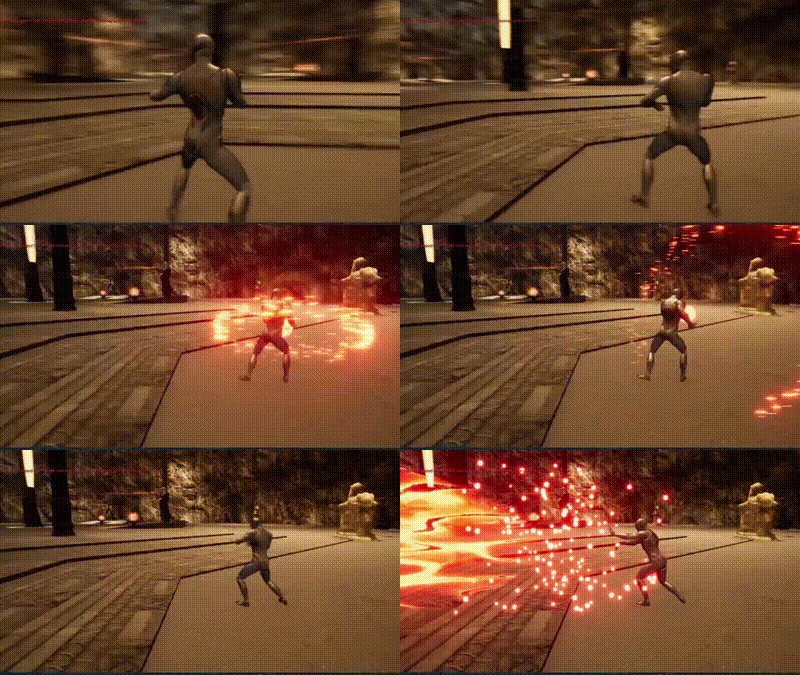
Mystic Warrior gameplay GIF 1

Project Details

Tools Used

Unreal Engine 5 · Blueprints/C++ · Blender · Rokoko Studio · Git VCS · Photoshop · Illustrator · Figma · Cascadeur · Confluence · Jira · Trello · Discord

About the game

Mystic Warrior is an action-adventure soulslike inspired by Indian mythology and Kalaripayattu martial arts. Players assume the role of a skilled warrior confronting malevolent Asuras led by Hiranyaksha — using strategic combat, elemental magic, and exploration to restore balance. Set across mystical landscapes and sacred temples, the world blends towering peaks, ancient ruins, and the vibrant tapestry of Indian folklore into a culturally immersive journey through the struggle between light and darkness.

Development Time: Q1 2024 – Q4 2025

Project Role: Game Developer · Core Mechanics

Team Size
4
Engine Used
Unreal Engine 5
Genre
Action-Adventure · Soulslike · Indo-Fantasy
Platform
PC

What’s Unique?

  • Indo-Fantasy world steeped in Indian mythology, epic landscapes, and mythical creatures
  • Kalaripayattu-inspired fluid, dynamic combat styles
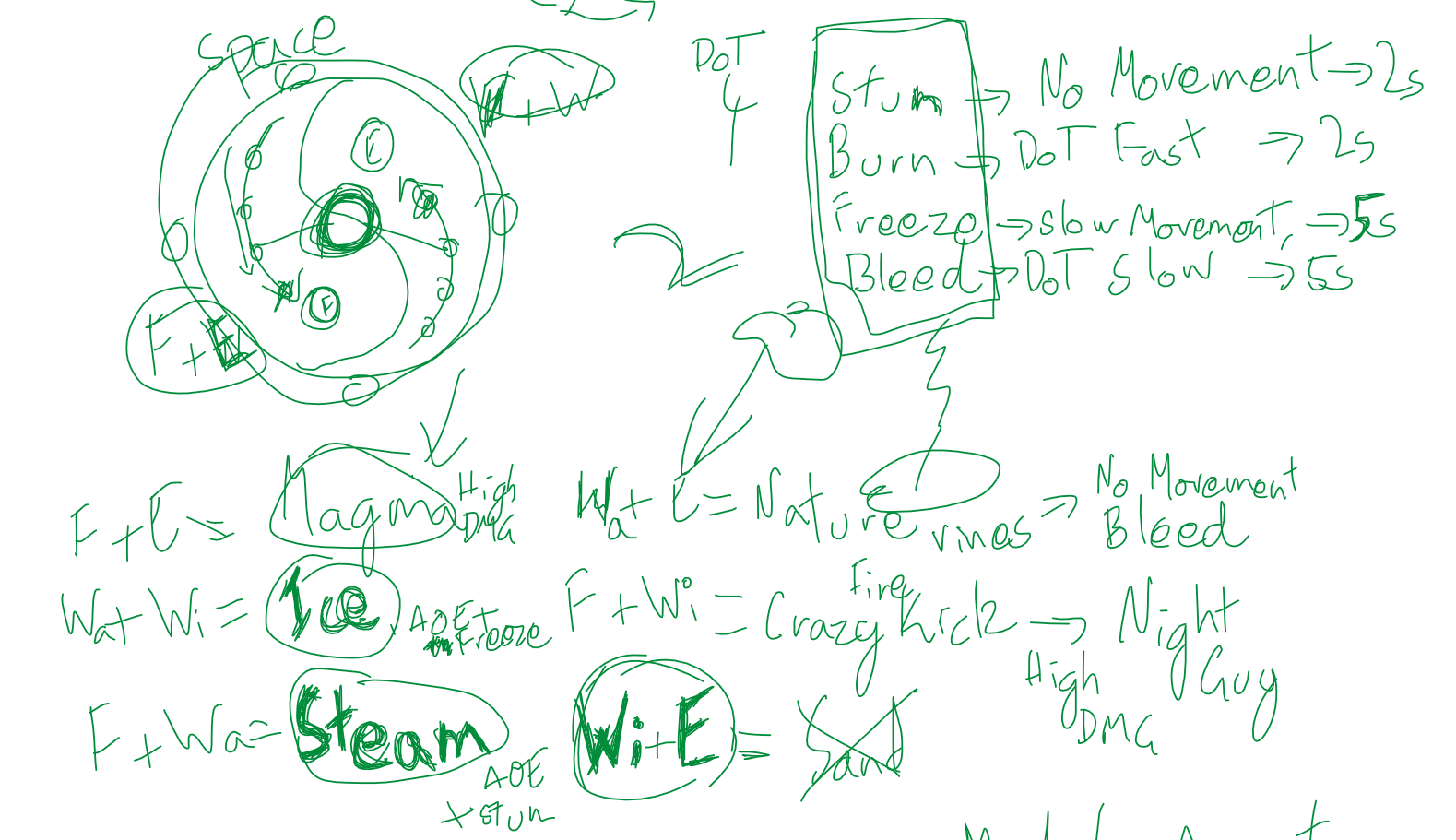
  • Elemental Magic with panchabootha combo attacks — fire, water, earth, wind, space
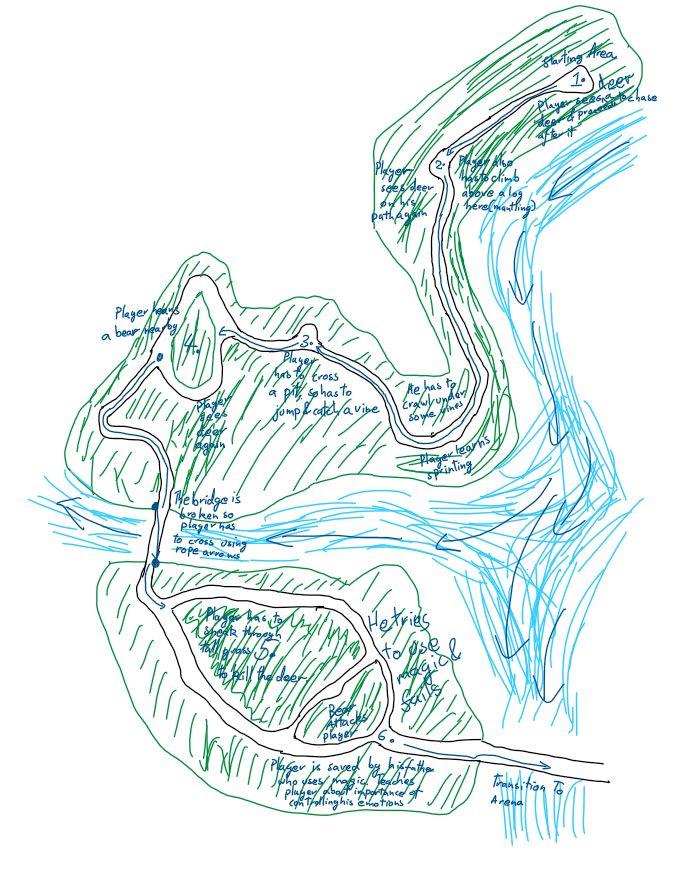
  • Strategic Exploration through treacherous environments, puzzles, and hidden secrets
  • Deep Lore and immersive storytelling with epic quests
  • Precise Combat requiring timing, skillful dodging, and deliberate strategy

My Role

As Game Developer focused on core mechanics, I helped shape combat feel, elemental systems, and player interaction — building toward fluid Kalaripayattu-inspired action and soulslike challenge within a four-person team mentored by APlus Associates.

Core Mechanics

  • Owned the player controller combat stack linking locomotion, attack buffers, and hit-response into a readable soulslike loop.
  • Implemented frame-sensitive input buffering, iframe windows on dodge, and commit/cancel rules for attack strings inspired by Kalaripayattu timing.
  • Wired objective hooks and interactables through a lightweight quest/event bus toward environmental gates and the Hiranyaksha confrontation.
  • Coordinated with AI, animation, and VFX so montage notifies, damage traces, and cam shakes stayed consistent across chapters.
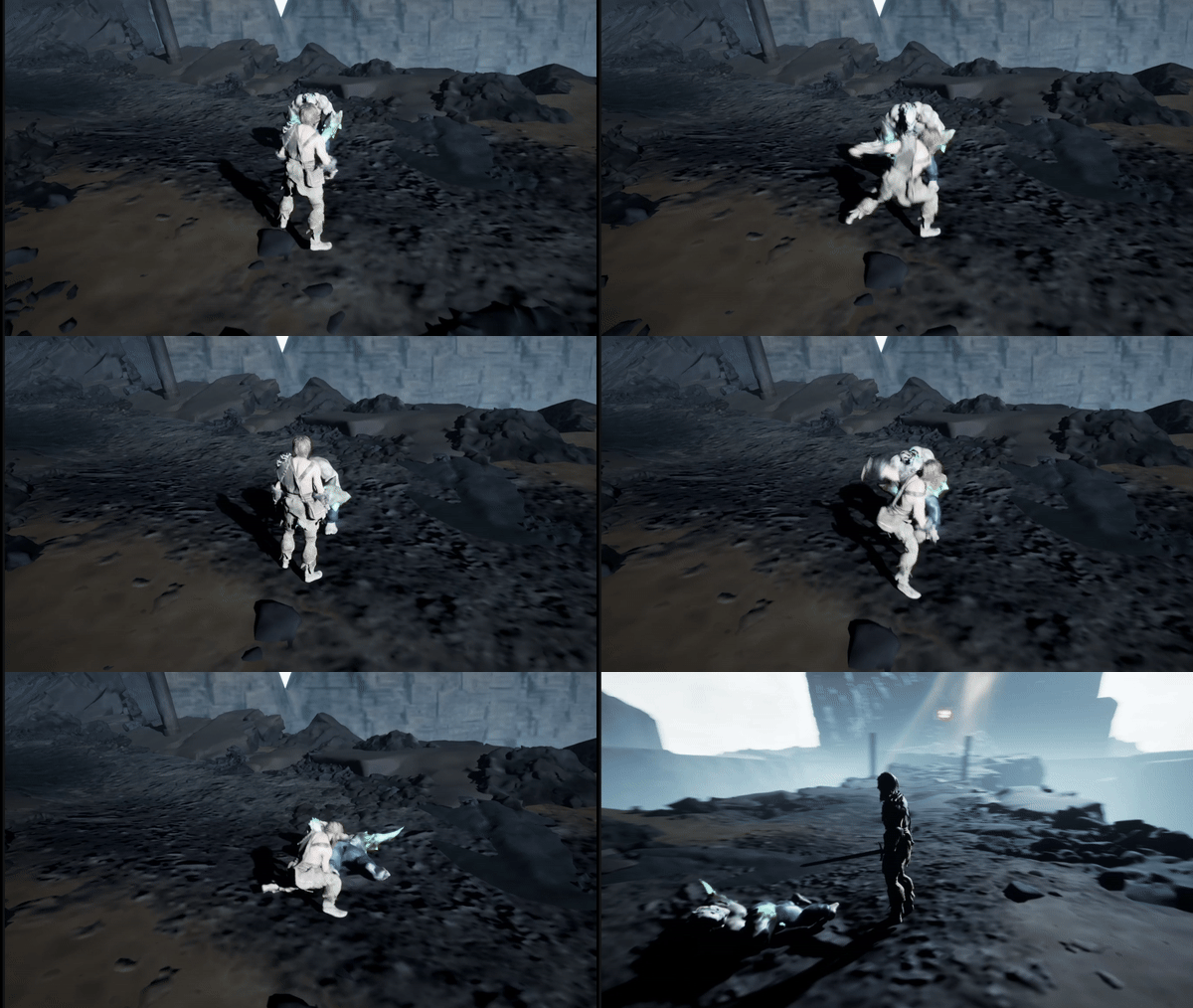
Mystic Warrior core gameplay

Combat Systems

  • Structured combat as a layered state machine (idle / attack / block / dodge / hitstun) with animation notifies driving damage volumes.
  • Authored weapon and affinity data for elemental damage types — water, fire, wind, earth — feeding resistance tables and combo branches.
  • Tuned poise/stagger style punish windows so high-risk exchanges rewarded skillful dodging over button mashing.
  • Balanced encounter pacing against soulslike difficulty curves and chapter boss checkpointing toward the final Asura fight.
Mystic Warrior combat concept

Magic & Exploration

  • Helped shape the panchabootha five-element magic graph — fire, water, earth, wind, space — as ability tags with cooldown/cost constraints.
  • Supported spell casting, environment object manipulation, and combat-enhancing elemental modifiers via shared ability interfaces.
  • Prototyped elemental combo chains and spatial puzzles that require affinity switches across interconnected spaces.
  • Tied exploration rewards (lore fragments, shortcuts, gear) to elemental interactables and gated traversal verbs.
Mystic Warrior elemental magic concept

Tools & Technologies

Unreal Engine
Blender
GitHub
Confluence
Discord
Figma
Photoshop
Illustrator
  • Unreal Engine 5 — combat FSMs, damage traces, montage notifies, element tags
  • Blender — asset iteration and environment blockouts
  • Rokoko Studio — motion capture for martial combat authenticity
  • Cascadeur — animation refinement and contact timing cleanup
  • Git / Confluence / Jira / Trello / Discord — versioning and production

References

  1. FromSoftware — Dark Souls / Elden Ring combat literacy: commit frames, readability, and high-risk punish design.
  2. Nystrom, R. Game Programming Patterns — hierarchical FSMs and component boundaries for combat modes.
  3. Epic Games — Unreal Engine Animation Notifies, Root Motion, and Trace workflows for contact-driven melee.
  4. Swink, S. Game Feel — feedback, timing windows, and responsive control for martial action systems.
  5. Kalaripayattu martial literature / performance references — stance switching, flow, and retaliatory timing inspiration.

Milestones

  • Designing · Q1 2024

    Focus on level design, story narration, and narrative design as a whole.

  • Prototyping · Q2 2024

    Finish implementation and prototyping of core gameplay systems.

  • Play Testing · Q3

    Full bug pass and gameplay fixes from structured playtesting.

  • Upgrading · Q2 2025

    Optimize old systems, add functionality, and improve performance from player feedback.

  • Test Launch · Q4 2025

    Prepare release candidate and test launch build.